31 March 2016

$60 Braces - What Could Go Wrong?

Apologize for the hiatus! Can't believe the end of March is here. Hope everyone has been doing well. I just wanted to share this article from The Washington Post regarding the design student who made his own clear aligners for $60! While I applaud the creative use of his design knowledge to address an esthetic concern, the orthodontists interviewed make a few very important points about the pros and cons of clear aligners fabricated by someone with little to no orthodontic training.

The article can be found here

Happy Cesar Chavez Day,
Dr. Lynda Tran

22 January 2016

Brushing Do's and Don'ts

As we near the end of the first month of the year, I wanted to share that many of our patients have made it their 2016 resolution to brush more frequently. How wonderful is that?! To support everyone in achieving this awesome resolution, here is a video that helps identify some frequent mistakes when brushing and the "ideal" way to brush. As always, we are here to help if there are any questions!

Happy Friday,
Dr. Lynda Tran

11 January 2016

Marijuana's Impact on the Mouth


We, here at Kai Family Dentistry, hope your year is off to a great start!

Over the holiday break, a friend of mine was concerned about the oral implications of her mom using medical marijuana. Around the same time, the Academy of General Dentistry produced a great summary of the impacts that marijuana can have on your mouth. I thought this information would be great to share so here is a reproduction of the concerns below:

Marijuana's Impact on the Mouth
Marijuana use can cause or contribute to the following in the oral cavity:
  • Alveolar bone loss
  • Gingivitis and periodontal disease
  • Gingival hyperplasia
  • Gingival leukoplakia
  • Increased appetite for cariogenic (cavity-producing) foods and drinks
  • Leukoedema
  • Oral cancer
  • Oral candidiasis
  • Poor oral hygiene practices and poor diet
  • Possible peripheral dilation and tachycardia associated with acute marijuana toxicity when an anesthetic is given
  • Uvulitis
  • Tooth decay and tooth loss
  • Tooth staining
  • Xerostomia (dry mouth)
If you have a question about any of these impacts on your oral health, please contact us or reach out to your dental care provider. 

Here's to a wonderful year,
Dr. Lynda Tran

11 December 2015

Caution About Alzheimer's Study Coverage


Below is a reproduction of Inside Dentistry article regarding the recent study published by Nature magazine that had studied the possibility of transmission of certain proteins that may contribute to Alzheimer's disease (AD). As you will find below, there is no data that shows that dentistry poses a risk for AD. In fact, "dentistry may play an important role in reducing the risk" of AD.

Please always be mindful when reading studies and articles pertaining to your health. It is important to bring any of your questions up to your health provider to get more details of the strenghts and/or weaknesses of a study. Thank you!

Until next time,
Dr. Lynda Tran


AGD Cautions Readers About Articles Concerning Alzheimers Study 
CHICAGO (Sept. 16, 2015)—The Academy of General Dentistry (AGD) cautions readers about news articles on recent scientific findings concerning proteins that contribute to Alzheimers disease. 

In its Sept. 10, 2015, issue, Nature published a study that indicates the inconclusive possibility of human -to-human transmission of certain proteins that contribute to Alzheimers disease. Some news articles have suggested that these proteins may be transmitted through the use of surgical instruments during certain dental procedures. However, this is not what the study, published in Nature, states. 

Our current data has no bearing on dental surgery and certainly does not argue that dentistry poses a risk of Alzheimers disease,” study author and University College London Neurology Professor John Collinge stated in a press release from the American Association of Endodontists. 

The study does not claim that dental treatment causes Alzheimers disease,” says AGD President W. Mark Donald, DMD, MAGD. On the contrary, previous research has shown that dentistry may play an important role in reducing the risk of Alzheimers disease, not causing it.” 

Indeed, studies have suggested a link between poor oral health and risk of Alzheimers disease. Re- search published over the past decade in Alzheimers & Dementia, CNS & Neurological Disorders– Drug Targets, and the Journal of Alzheimers Disease identify possible links between periodontal dis- ease and Alzheimers, and opportunities to reduce the risk of Alzheimers through oral health care. 

The deeper we delve into the research, the more we find relationships between oral health and systemic diseases, and the more we realize that the mouth is truly the gateway to overall health,” says Dr. Donald. Visiting your dentist twice a year can result in more than healthy teeth and gums. For some patients, going to the dentist can be lifesaving.” 

19 November 2015

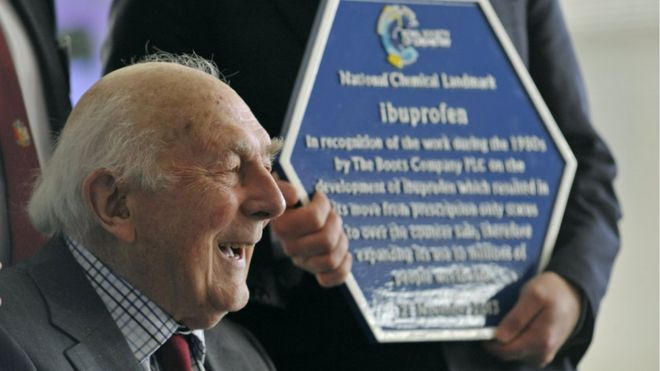
The Hangover That Lead to Ibuprofen Discovery


More than 50 years ago, Dr. Stewart Adams took 600mg of Ibuprofen after his hangover and it has now become one of the leading painkillers used today. Read this really neat story here.

I cannot express how important Ibuprofen has been to the field of dentistry. It is my number one recommended go-to medication for toothaches (unless patient has sensitivities or other contraindications to Ibuprofen, of course). It's definitely one of the many things I am thankful for this Thanksgiving holiday!

Feeling thankful,
Dr. Lynda Tran

23 October 2015

8 Amazing Things You Didn't Know About Teeth


Discovery News put a little compilation of 8 amazing things you didn't know about your teeth. For the full details and to check out the full article click here
  1. Straight teeth could help you ace an interview.
  2. A dog's mouth is cleaner than yours!
  3. Tooth enamel is the hardest thing in your body.
  4. You could fill a swimming pool with your saliva.
  5. Athletes are prone to cavities.
  6. Chocolate is good for your teeth (dark chocolate, that is).
  7. Wisdom teeth may be disappearing!
  8. Cavities are the most chronic disease in children. 
Happy Friday,
Dr. Lynda Tran
KaiDentistry.com

09 October 2015

Have It All with Xylitol

October brings to mind harvest, pumpkins and CANDY! With Halloween just around the corner, I wanted to highlight an awesome sweetner you might have heard of already: Xylitol. A few quick notes about this amazing, natural product:
  • Regular use of xylitol has been shown to reduce dental plaque - the first stage of cavity development, tartar formation, and tooth staining.
  • Xylitol gum or mints used 3-5 times per day (total of 5 grams) is considered optimal. 
  • Use of xylitol immediately after meals is the most effective at reduction of plaque and limiting contact time of sugar on teeth.
  • For more on xylitol: Xylitol Fact Sheet
Happy October,
Dr. Lynda Tran